Boy Overboard
Boy Overboard
Patricia Cornelius
St Michaels 2017
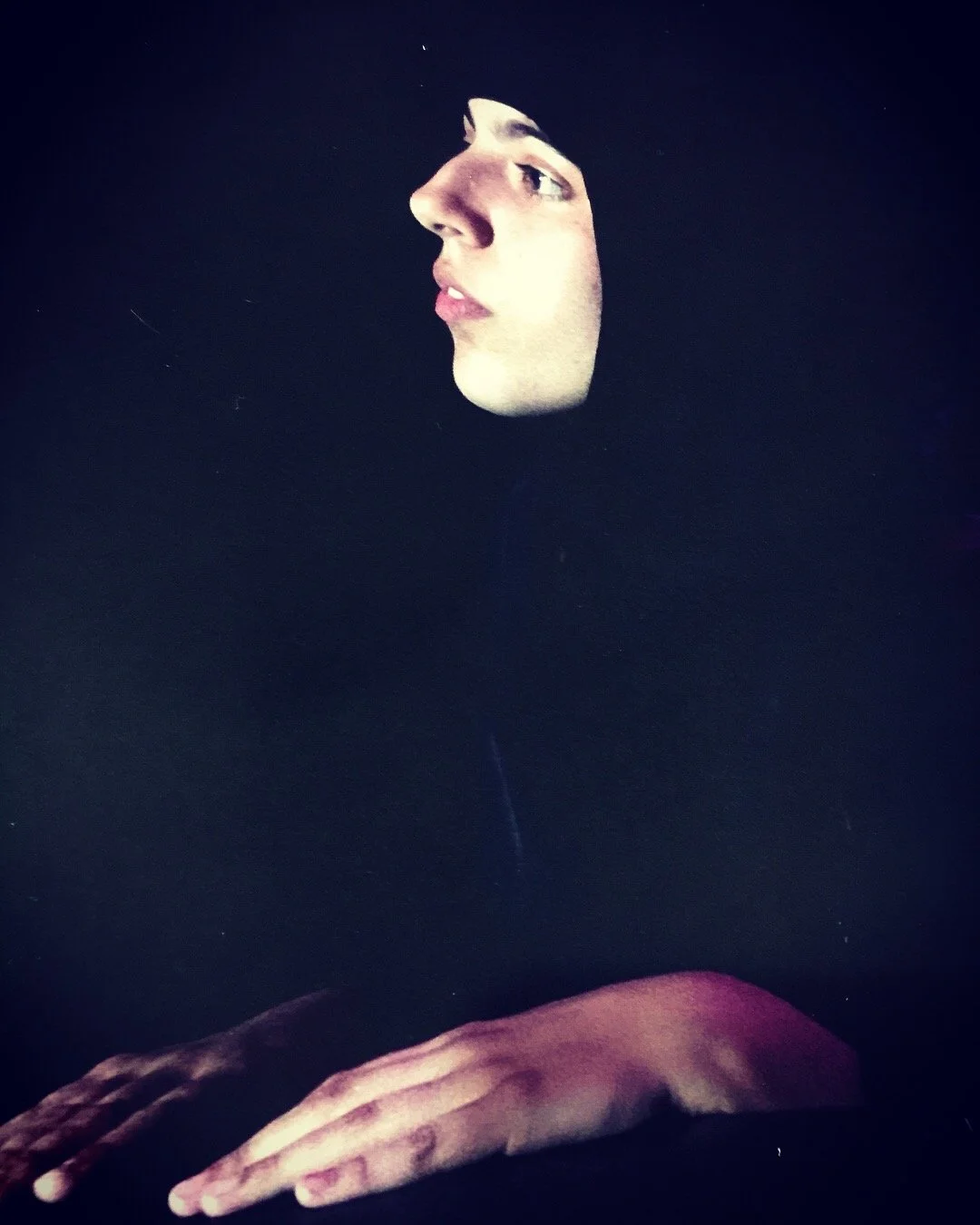
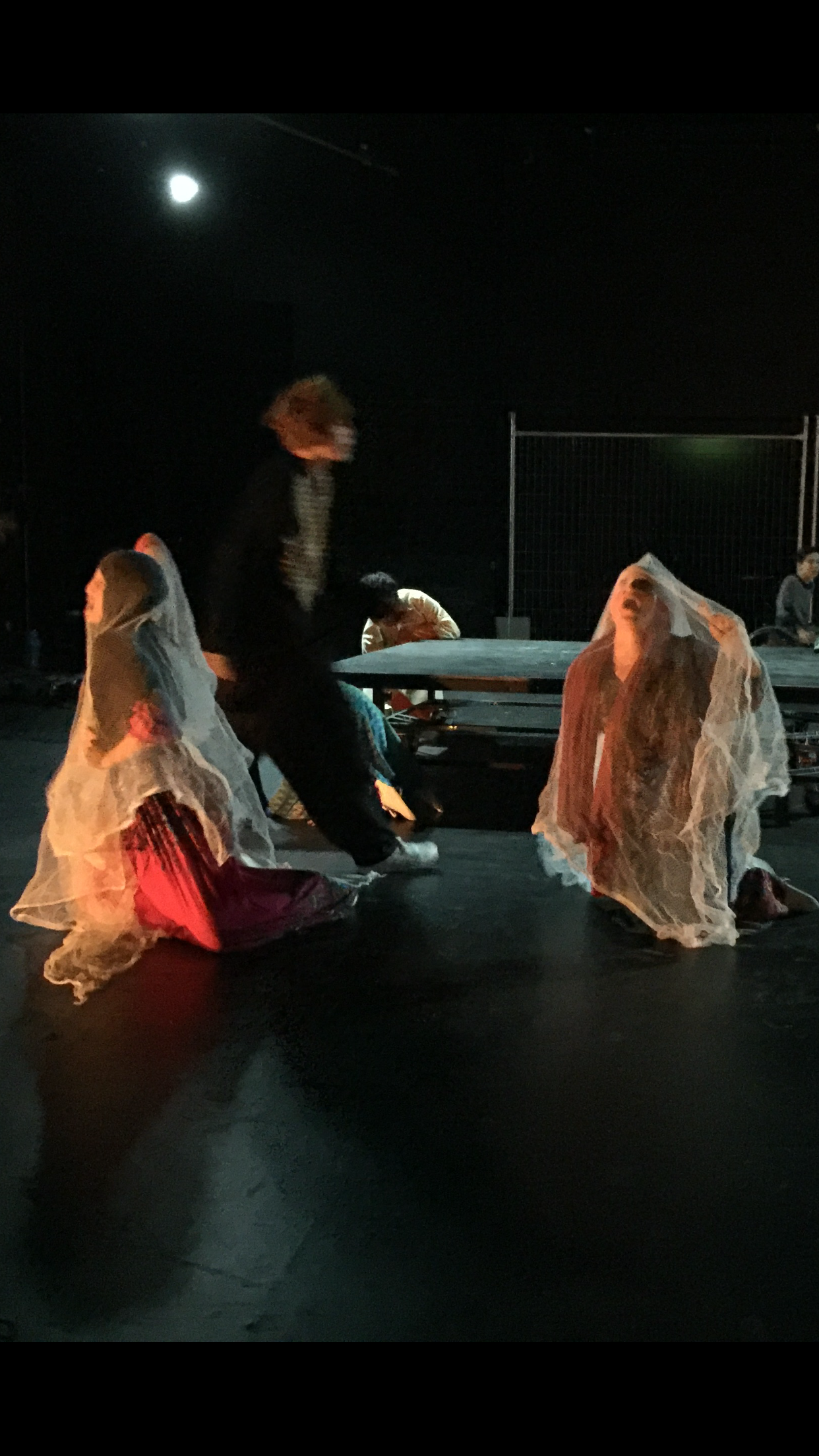
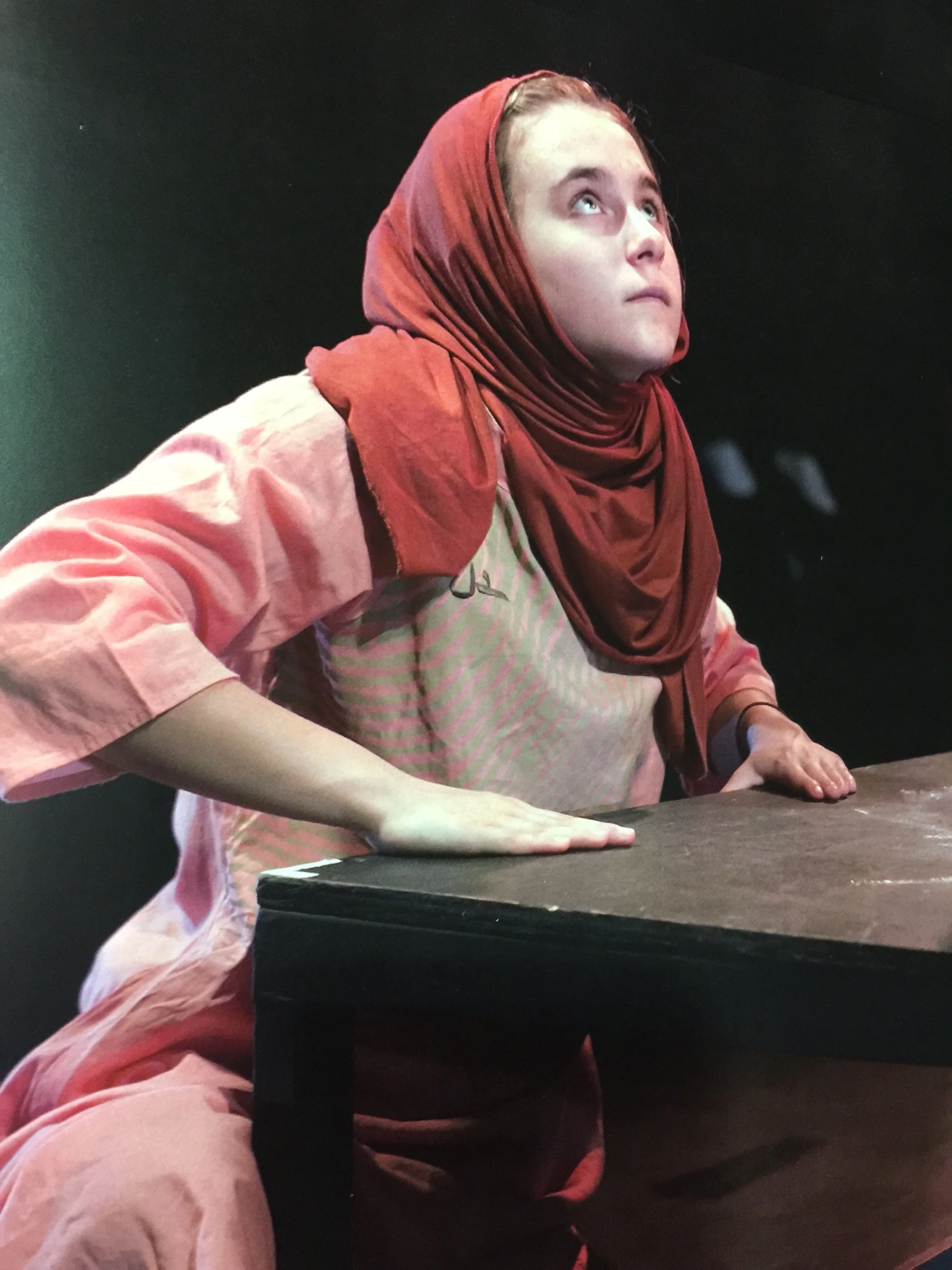
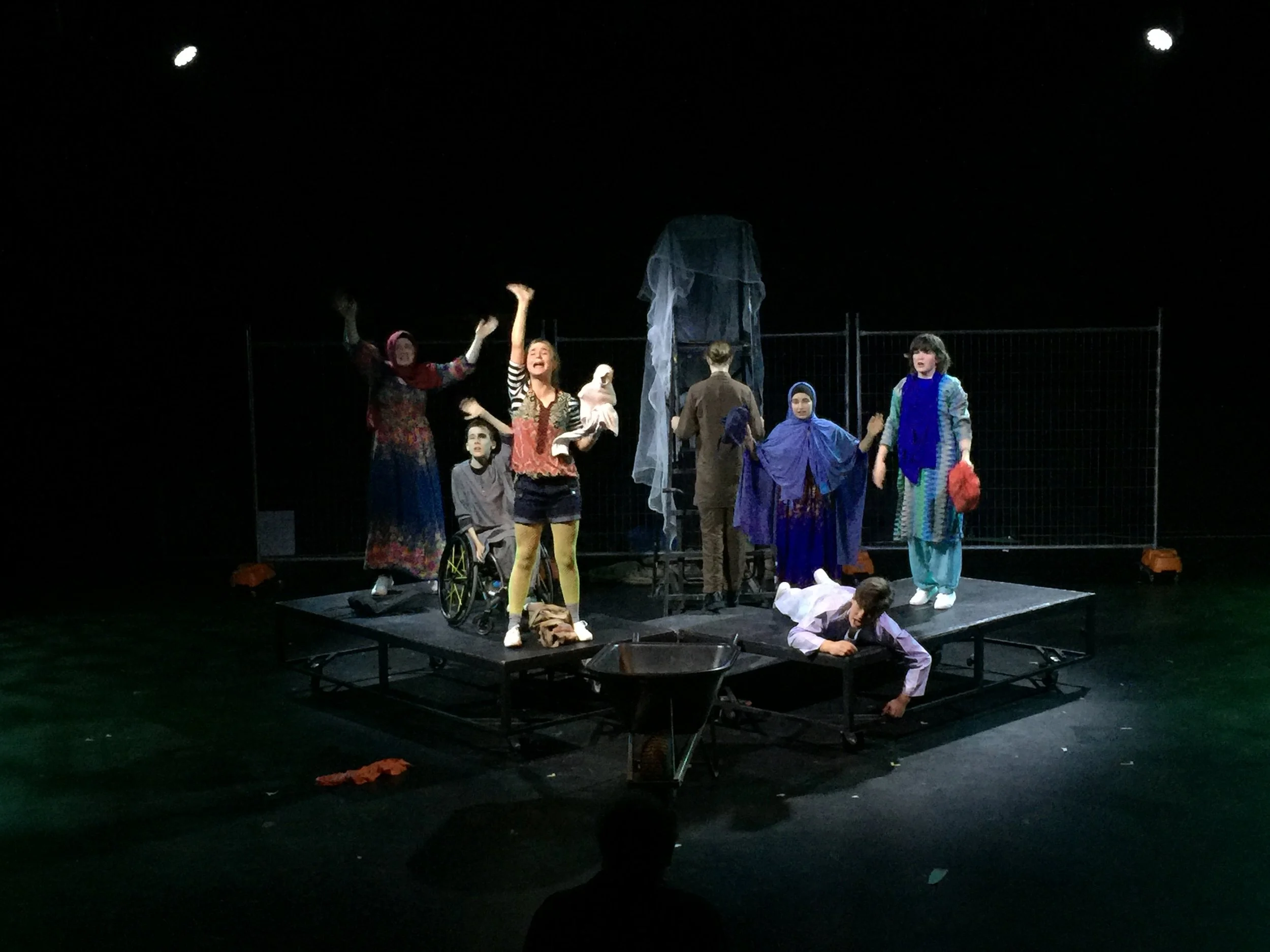
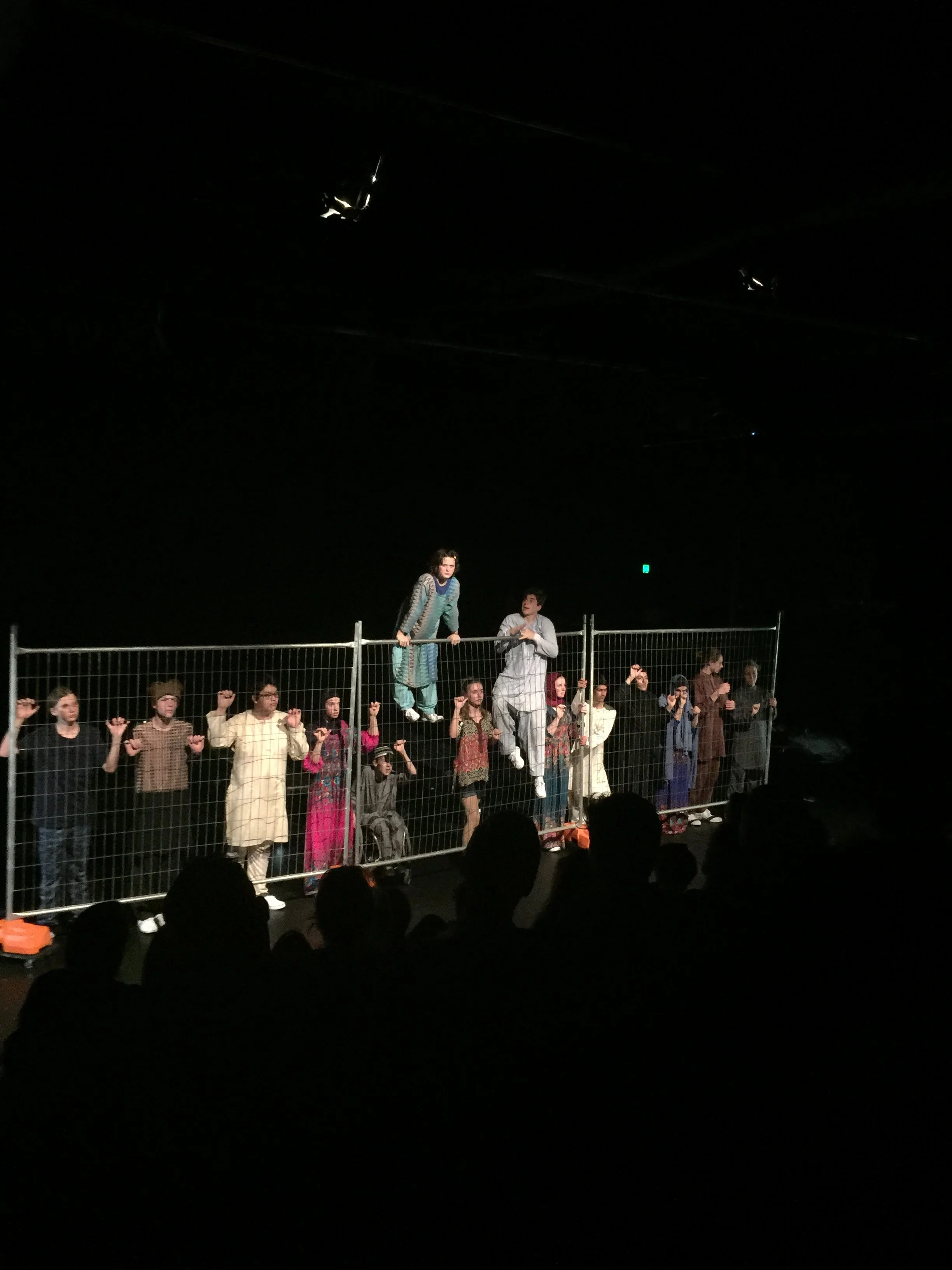
Adapted for the stage by Patricia Cornelius from Morris Gleitzman’s best-selling novel, Boy Overboard depicts a deeply human side of the ‘asylum seeker’ experience by following the journey of Jamal and Bibi from Afghanistan to Australia. Based on real life events, this is a moving play about young people overcoming the confusion of war, politics and the search for a safe haven.
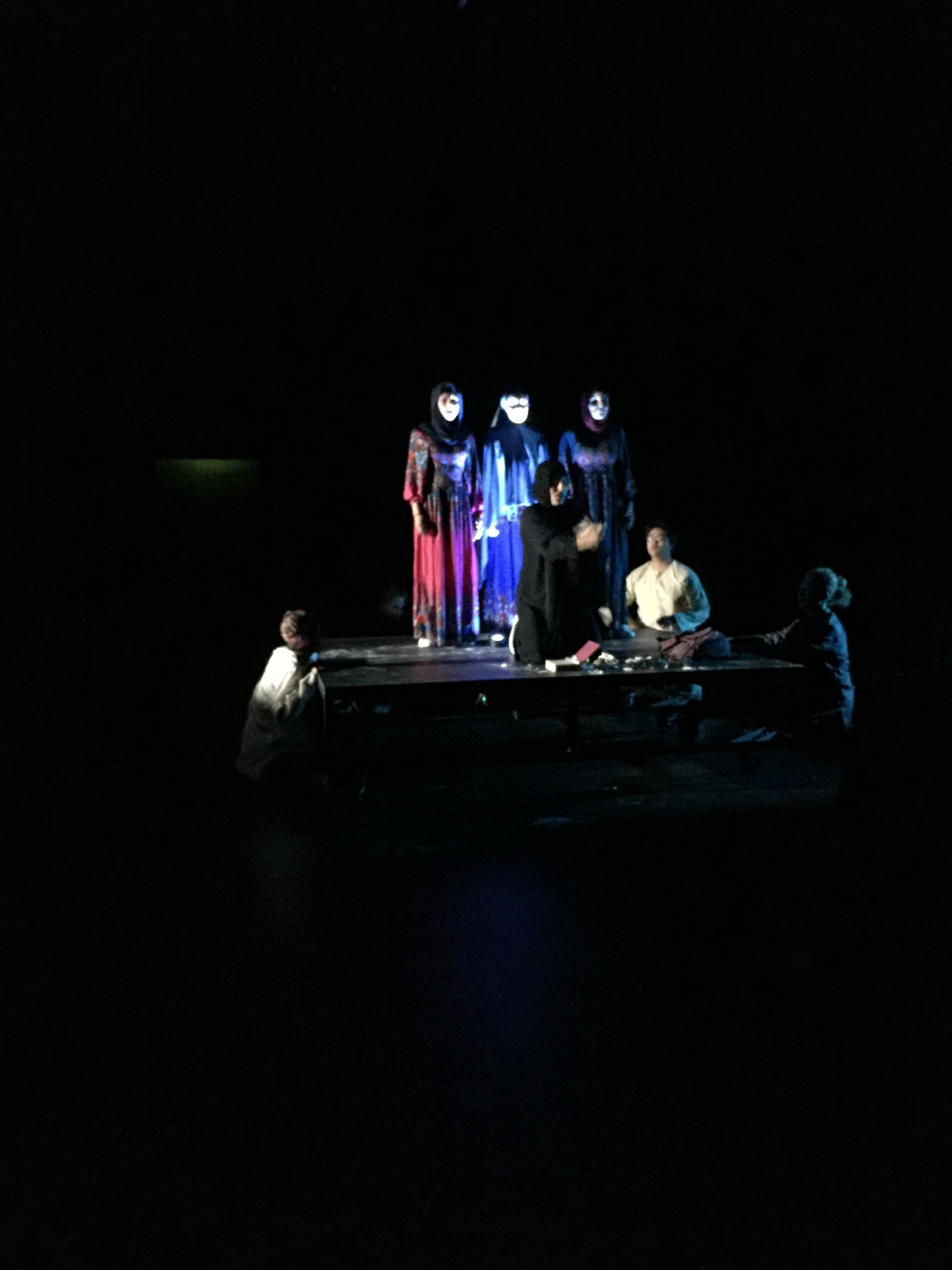
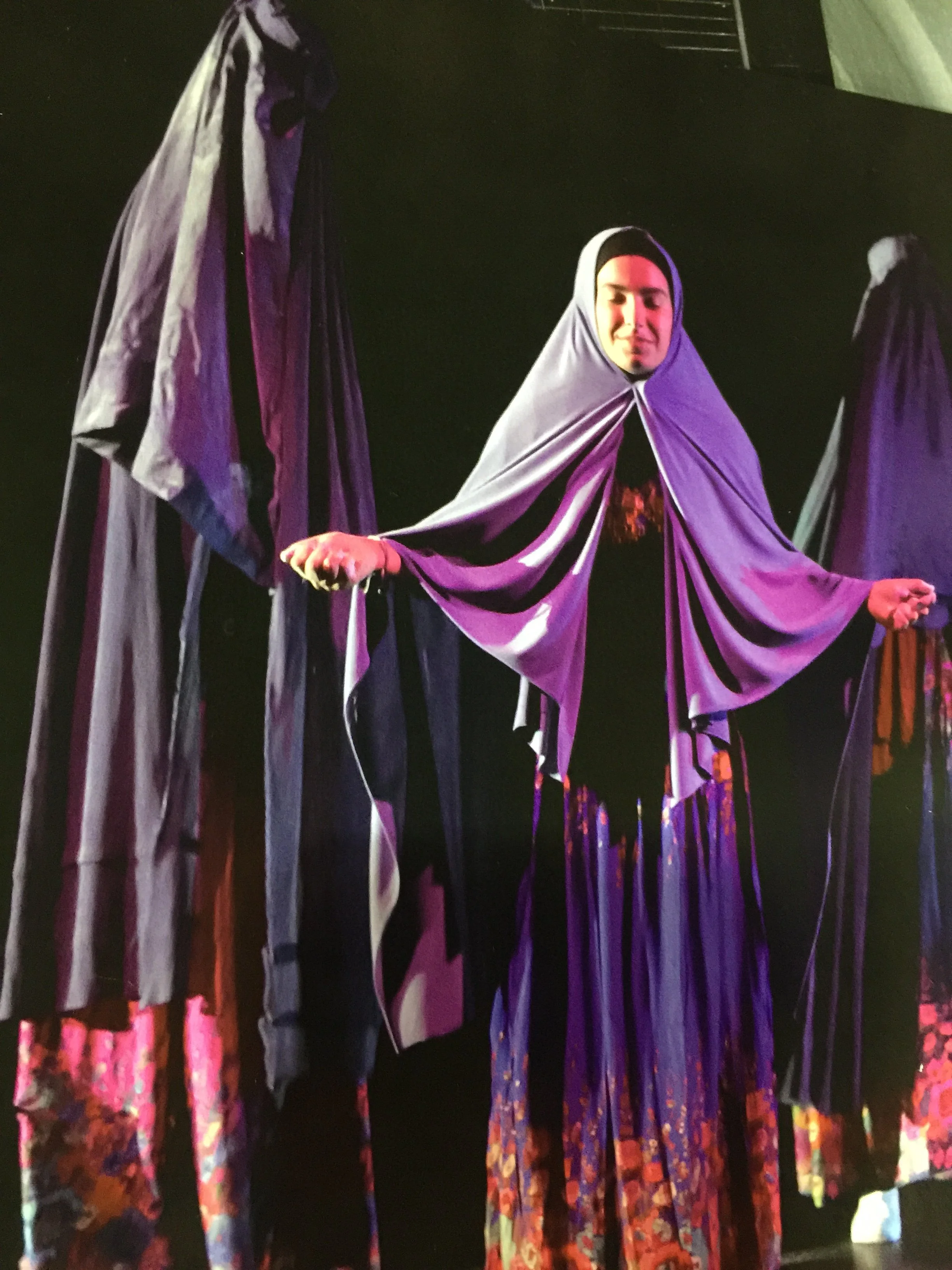
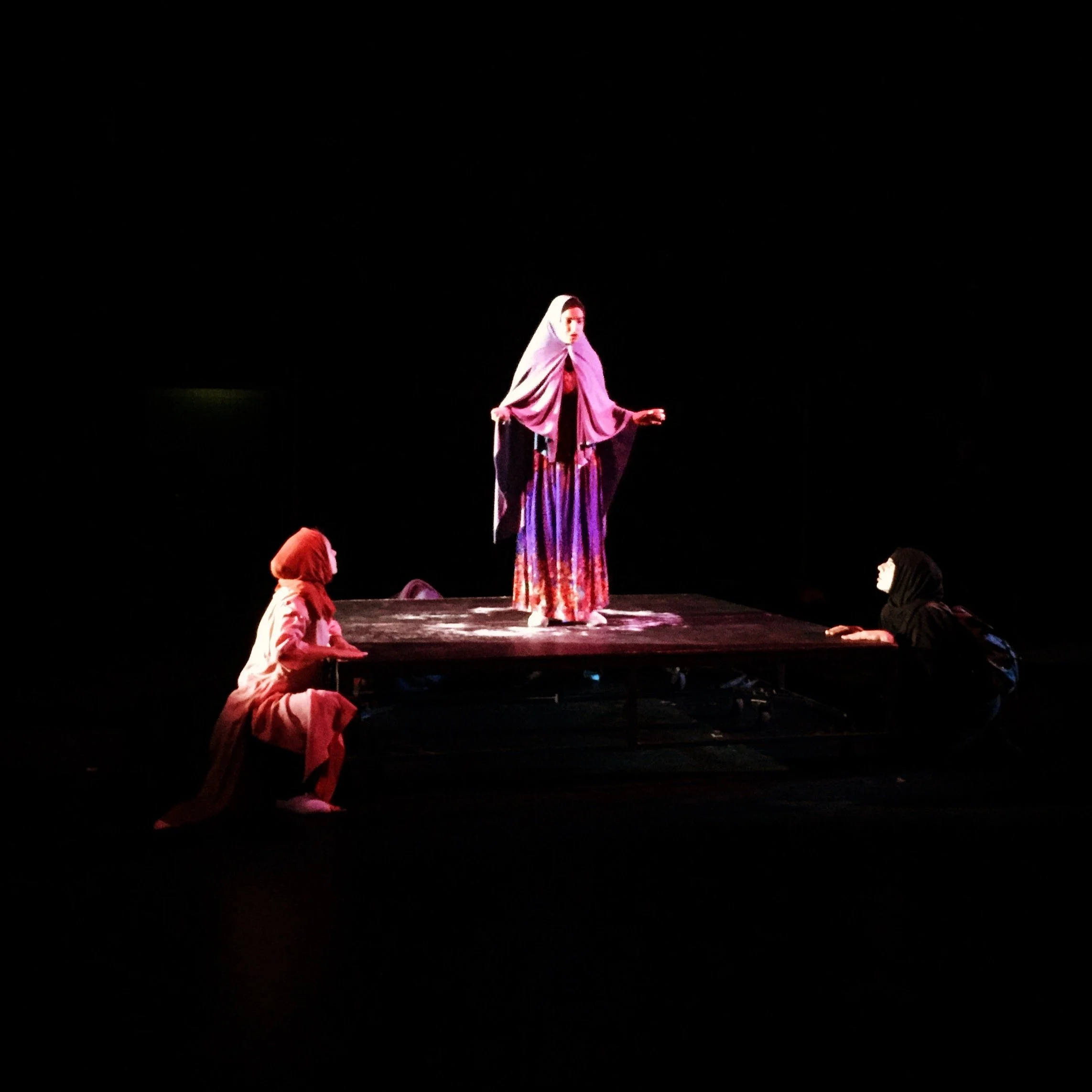
Director’s Note During the rehearsal process for Boy Overboard, a rather extraordinary coincidence occurred. Pauline Hanson stood in the senate chamber shortly after question time wearing a black burqa. The following day as we gathered in the drama studio, one of our cast members produced for us a gift that her father had acquired on his recent trip to Afghanistan, his place of birth. The gift was a bag of Afghani clothing that included two blue burqas. I am frequently lost for words in the process of creating and receiving theatre, such coincidences offer a magical respite from logic and opinion. They require a radical response, they insist that instead of commenting we engage in the act of consideration. They invite us to sit in vulnerability and communion and to rally against closure and conclusion.
Teenagers, at least in the media, are frequently given a tough time. We worry that they will only see the world in ‘likes’ and ‘dislikes’ – or learn to speak only in 140 characters. These things are valid threats, but they have not been my experience. Teenagers are incredible community organisers, they are experts at surprises and celebrating one another. They know how to tear things down and build them back up again and they know (to quote Taylor Mac) how to incorporate calamity to overcome oppression. These are all the gifts that come from embracing possibility - of imagining the culture forward. The biggest challenge then in working with teenagers is to find a play that is worthy of their consideration.
This story, written by Morris Gleitzman and adapted into a play by Patricia Cornelius invites the almost impossible and so it should given the experiences of so many families who have made journeys like Jamal and Bibi’s. 30 scenes, 80 cue points, 15 performers, leaky boats, checkpoints, blinding sidelight, 18 wheeled platforms, 3 continents, and 5 continents. What will happen? Not knowing feels increasingly absurd, in a time where even the theatre has succumbed to order and administration! We hope that this story and the attempt to tell it offer a way forward that is more about the space between people than the distance.
Hannah Liddeaux